
A crawl space dehumidifier in Huntsville costs $1,200–$3,000 installed with its condensate route and electrical. The target is relative humidity under 55% year-round. Sizing follows square footage and the remaining moisture load — which is why it is specified after drainage, not before.
Why sequence changes the size you need, what a crawl-rated unit does differently, and the condensate detail that decides whether it works at all.
Size it for the crawl you will have
A dehumidifier sized against a crawl space that still takes water every storm has to be large, runs constantly, and costs real money to operate for as long as you own the house. The same crawl, after the water is routed away, needs a smaller unit running intermittently.
That is the practical argument for handling moisture in order rather than buying the machine first. The equipment specification should be written after the water question is settled, and any quote that names a unit before anyone has looked at where the water goes is describing a product rather than designing a system.
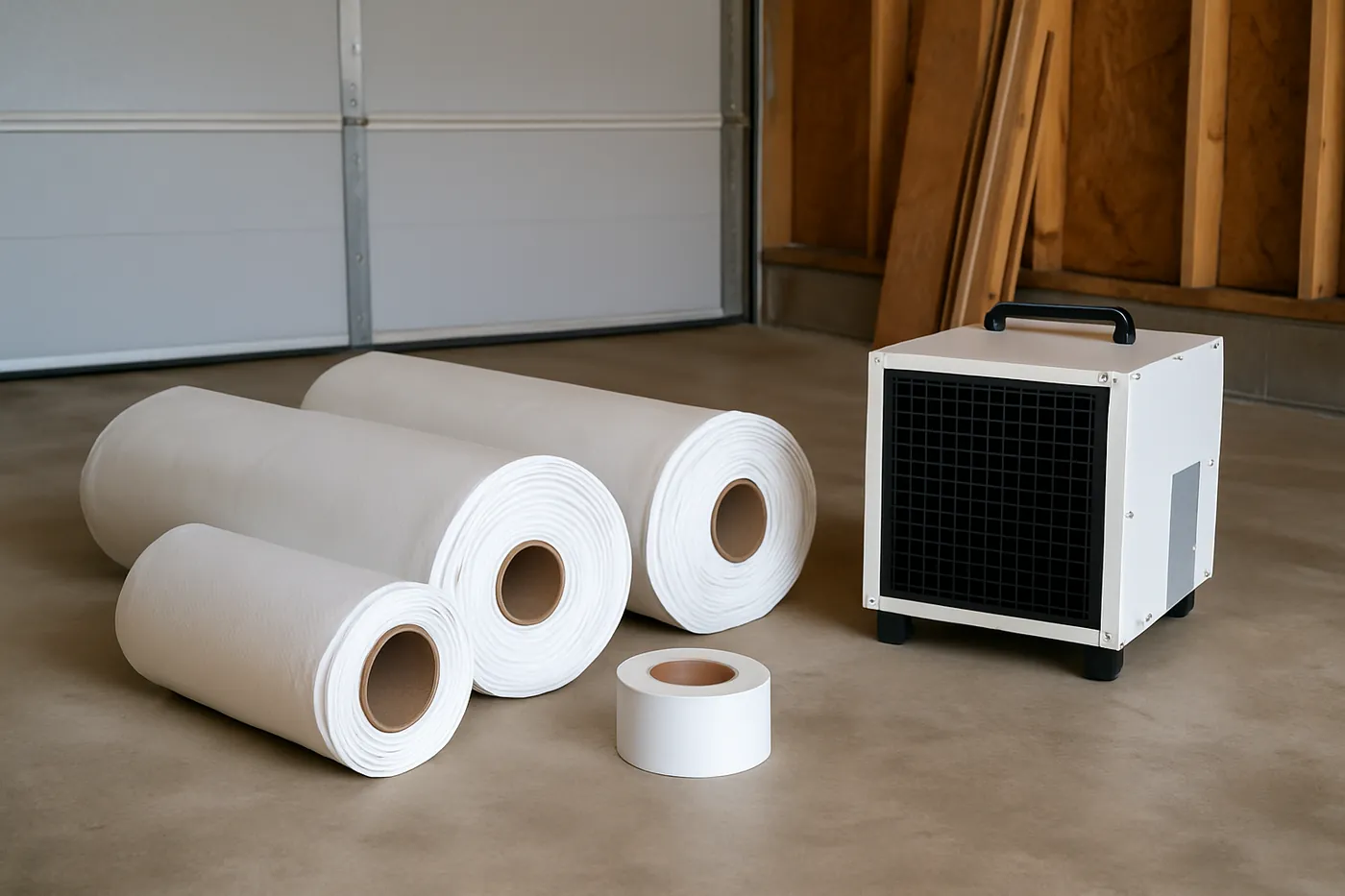
Why a crawl-rated unit, not a room unit
| Crawl space unit | Household unit | |
|---|---|---|
| Cost installed | $1,200–$3,000 | $200–$400, plus your time forever |
| Low-temperature operation | Designed for it | Efficiency falls off as it cools |
| Water removal | Continuous drain or condensate pump | A tank someone has to empty |
| Failure mode | Alerts or visible at service | Silent — tank fills, unit stops, nobody knows |
| Service access | Mounted for access in a low space | Sits on the ground where you cannot reach it |
| Ducting | Can distribute air across the space | Dries the corner it sits in |
The condensate route is the whole install
A dehumidifier pulls water out of the air continuously. That water has to leave the crawl space, and where it goes is the difference between a working system and an expensive humidifier. Gravity to a sealed sump or to an exterior discharge is the durable answer. Where there is no fall, a condensate pump does it, and then the pump is one more thing to check.
A common inspection finding is a line that simply ends — run a few feet and left over or under the liner. The machine dutifully removes moisture from the air and returns it to the space, and the humidity reading never improves. It is worth putting your head under the house once to look at where your line actually goes.
Verifying it yourself
Buy an inexpensive hygrometer, leave it in the crawl space, and check it in August. Under 55% means the system is doing its job. Sitting at 65% or higher through the summer means something is wrong — undersized unit, a condensate line going nowhere, an unsealed vent or access door, or water still entering. Any of those is a specific, findable problem rather than a vague complaint, and having the number makes the warranty conversation short. Pricing is in the cost guide.
Dehumidifier questions, straight answers
What does a crawl space dehumidifier cost in Huntsville?
A properly sized crawl-rated unit runs $1,200-$3,000 installed, including the condensate route and electrical. That is a different machine from a $250 room dehumidifier and the difference is not branding - crawl units are built to run at crawl temperatures, drain continuously, and be serviced in a space you cannot stand up in.
What size dehumidifier does my crawl space need?
Sizing follows square footage and the moisture load the space actually carries, which is why it should be specified after the water is handled rather than before. A unit sized for a wet crawl is larger and costs more to run than the same crawl needs once drainage is corrected. Ask for the capacity in pints per day and the square footage it was sized against.
Can I use a regular household dehumidifier?
It will run and it will disappoint. Household units are built for living-space temperatures, lose efficiency as it gets cooler, need their tank emptied by hand, and have no practical service access under a house. The failure is usually silent: the tank fills, the unit stops, and nobody notices for a season.
Where does the water go?
That is the question that separates a working install from a decorative one. Condensate needs a continuous route - gravity to a sealed sump or an exterior discharge, or a condensate pump where gravity is unavailable. A line that ends under the liner is a slow leak into the space the machine exists to dry.
How often does it need service?
Filter checks a couple of times a year and a coil cleaning annually is a reasonable rhythm, and it wants to be reachable without dismantling anything. Verify humidity with your own inexpensive hygrometer between visits: if the crawl is holding under 55% through August, the system is doing its job.
Get a Huntsville crawl space inspection
Tell us what you’re noticing — floors that give underfoot, a room that never gets comfortable, humidity the AC cannot pull down, standing water after a storm — and we’ll pass your request to one independent local specialist serving Huntsville. They call you back to set up an inspection, which should include a moisture meter and a hygrometer.